Tuesday, 18 August 2015

DOWNHAM & Capt Woodget of the Cutty Sark .


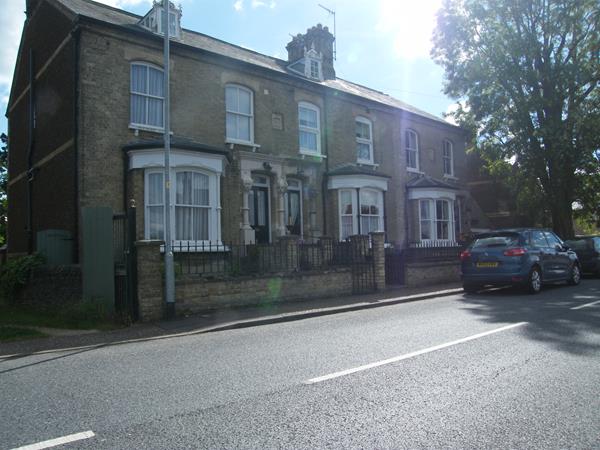
CAPT RICHARD WOODGET OF CUTTY SARK AND BEXWELL ROAD.


                                                                          Burnham Norton church. June 2015.

 Richard Woodget was born on 21st November 1845 at Burnham Norton in Norfolk. His parents were Richard and Celia Woodget ; he had seven siblings at least three of whom died in infancy ; his brother William died aged 21 and his uncle Henry died in Docking workhouse in 1842 aged 51 . His mother Celia was Celia Gage and his father`s second wife. They married in King`s Lynn in 1831 . His father`s first wife had been Lydia Bensley who he married in Burnham Norton in 1823 . Although Basil Lubbock and other sources say his father was a farmer, implying a land owning or tenanting family , in fact all the records show Richard senior was a labourer. By 1861 on census night , Richard was living aged 16, with his older brother Charles who was 26 and a bricklayer . Charles and Emily ( Thirtle) were recently married and had a baby daughter Emma . Richard was still described as an ag lab. Richard senior had been born in Burnham Norton in 1797 the youngest child of eight children of William and Susanna . In places in the Bishop`s Transcripts and the registers it says William Woodgatt aka Woodgate aka Woodgett . The name seems to have morphed from Woodgate to Woodget between 1780 and 1810 . He was bapt as Richard Burcham Woodgett his mother Susanna`s maiden name being Burcham . She and William were married at Burnham Norton in 1779. After her death aged 52 in 1807 he remarried to another Susan (Brown) a widow in 1810. William was buried in Burnham Norton in 1812 aged 62, a married man .


In 1861 also on census night at Burnham Overy Staithe , living one door away from the young Woodgetts , was the family of John Raven, head, marr, 48, ag lab and his wife Maria . They had a daughter Maria aged 18 , who was born in Brancaster and was a dressmaker. And with them was a young grandson Frederick G. aged 7 months born Downham . (Frederick George Harper) . Ten years later in the 1871 census, John Raven is now a widower , his daughter Maria now Smith and now a widow aged 27 and with them is Frederick George aged 10 . From a descendant of Frederick George , his mother was Mary Ann Raven , the older sister by 2 years of Maria , who went on to marry Frederick Charles Harper , a journeyman carpenter born and living in Downham Market. In the 1871 census Mary Ann and Frederick are living in Howdale Lane with their two sons .


In 1866 Maria Raven married James Smith at Burnham Overy Staithe ; by 1871 she is a widow, and there is a death registered of a James Smith aged 23 in freebmd in the same March ¼ 1866 as the marriage. Without getting the certificates it is only guesswork that this James is Maria`s husband.


Richard Woodget during this time has been apprenticed to various ships of Bullard , King and Co, firstly on the billiboy Johns 80 tons in 1861 , the Johns was a river barge and traded along the coast from Seaton Sluice to London with small cargoes . In 1862 he was still an apprentice , this time on the Peace , a schooner which also plied a coastal trade. He finished his apprenticeship in 1865 aboard the brig British Ensign 196 tons and sailing from Bristol to London via Egypt and Ireland and then on to Trinidad and back to Greenock , with cargoes of sugar . It seems likely that once he was qualified he worked for various masters and owners including Jock Willis , known as Old White Hat, who named his ships after his Scottish heritage and the novels of Sir Walter Scott . In the year of his marriage 1871 Captain Woodget was Mate in the brig Nina to the West Coast of Africa and back . Although slavery was abolished by this date , the Nina a mahogany built brig of 183 tons had been a notorious slaver in her day . She had been over worked and was held together by strengthening bands , and as Basil Lubbock says “ though she leaked like a bucket , she sailed like a a witch .”


The final ship in which he was Mate , was the Copenhagen , 876 tons, which in the years 1874-1880 sailed to India during the famine and was in the coolie trade to Mauritius. The coolie trade succeeded the slave trade . The shortage of labour caused by the abolition of the slave trade created a very similar trade transporting , often in dreadful conditions, a new Asian workforce . Basil Lubbock says that Capt Woodget took the Coldstream , 756 tons, out , as Captain , in March 1881 and brought it back in January 1885 after a most successful voyage financially . This again was to Africa and included three coolie passages to South Africa and Mauritius.


The success of this voyage in the years 1881-1885 landed Captain Woodget his most famous command , the Cutty Sark Between 1885 – 1895 , he and Cutty Sark made ten voyages to Australia in the wool trade , several of which were record breaking and all of which were faster than any other ship on the Australia route . He was also noted for breeding collie dogs and latterly took one or more on board on his Australian voyages . Their descendants made headlines in the Australian show rings.


80 Bexwell Road , Downham Market.

Whilst he commanded Cutty Sark , the Woodgets , Capt Woodget and his wife Maria and their sons, lived in Downham Market . The 1891 census shows the family being Capt Woodget, his wife, his mother Cecily, aged 81, his niece Edith , 22, and sons Richard, Harold and Albert , his daughter Celia Maria Finis was born and died in 1882. At this point he is living in Mount Pleasant, 80 Bexwell Road, having previously lived in Howdale Lane and Bridge St , according to the electoral register . It is possible that the family lodged with Mary Ann Harper ( nee Raven and Maria Woodget`s sister ) in Howdale Lane when they first arrived in Downham , between 1888 and 1889. In 1890 they moved to Bridge Street, again possibly with the Harpers .


Of his four sons , the three with him in Bexwell Road , all qualified as Master mariners, Richard John in 1897 aged 23, Harold Groom at 22 , and Albert Sydney also aged 22 in 1901 . The last of his sons Edgar Raven became a watchmaker . In the 1911 census Edgar and his wife and 3 sons are living at Burnham Overy and he is a watch and clock “seller” and she is a shopkeeper.


  This photo of Cutty Sark was taken by Capt Woodget in 1888 from two boats with a plank lashed between them holding his plate camera .

Unaccountably Jock Willis sold Cutty Sark to the Portugese in 1895. Maybe she was getting too old , needing too many repairs. He gave Capt Woodget the Coldinghame a 1,059 ton ship also in the Australian trade , but it cannot have been to his liking and he chose this year 1895/6 to retire .
 
In retirement he is said to have bought a farm in Burnham Overy Staithe. The 1901 census shows Capt Woodget and his wife living “ near the Quay” and this may well be Flagstaff house , also known as East View . Basil Lubbock says “ he filled his farmyard with pigs, chickens, ducks, geese, turkeys and rabbits , and it was a sight to see the old man ( in 1901 only in his mid 50s ) his snow white hair and bear flowing in the wind, as he marched sturdily across a field followed by a trail of quacking ducks and clucking hens, and perhaps a foal and a calf and a pig or two .” At the age of 75 he was thrown from a colt and sustained no more than a black eye. Basil Lubbock paints a bucolic portrait of this most skilled mariner.

Maria Woodget died in December 1914 aged 72 . All four of their sons were settled to life at home and at sea and at the time of her death Richard her eldest son was married , as was her watchmaker son Edgar. Harold married in 1918 and Albert in 1921 . Also in 1921 Captain Richard Woodget married again to Winifred Basham Parker the dau of the Rev Richard Parker of Dorset. She had been an Infant school teacher and was born in 1891 and was one of 9 surviving children . Their marriage lasted until his death in 1928 at Burnham Overy Staithe .
 

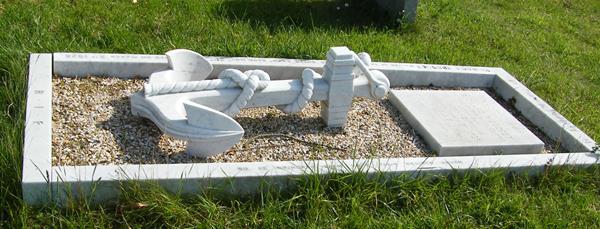
The grave of Capt Richard Woodget .
 
                     Two of his sons are buried alongside him at Burnham Norton churchyard .


Burnham Overy Staithe church. .

Tuesday, 10 March 2015

DOWNHAM - RAF DOWNHAM.


                  One man`s lifetime passion for the airfield combined with the current need to identify and record as much of the surviving buildings , has resulted in this article being written .
                   The most recent over winter excavations ( Dec 2014-March 2015)  have been on the field adjacent to the airfield where Lancaster D -Dog crashed in 1944.   Here are the details which we hope to add to a plaque to be placed somewhere near where D-Dog crashed .


                    Avro Lancaster 111 :  F2 , D-Dog ND 841.
                    Pilot : F/O George Ambrose Young. 635 Sqdn aged 24 buried Southampton.
                    Flight Engineer: Sgt Thomas Snowball. 635 Sqdn aged 32 buried Tynemouth.
                    Navigator:  F/Sgt Howard Pritchard .635 Sqdn aged 22 buried Tettenhall Regis.
                    Bomb Aimer: F/O Walter Thomas Olyott. 635 Sqdn aged 21  (buried St Edmunds churchyard).
                    Wireless operator : Robert Sadler .635 Sqdn aged 23  (buried St Edmunds churchyard).
                    Air Gunner : F/Sgt Stanley Wharton. 635 Sqdn aged 30 (buried St Edmunds churchyard).
                    Air Gunner ;  F/Sgt  Charles Patrick Nallen . 635 Sqdn aged 20 ( from Australia) buried Cambridge City cemetery.


                    D-Dog took its place on the main runway , and attempted to take off at 00.27 hours 4th June 1944. Because of the variable weather, D Day had been postponed from 5th June to 6th June.  Therefore D-Dog was going to bomb any German batteries on the coast of France .  It swung to starboard from the main E - W runway , clipped the top of a B1 hangar , and crashed just outside the airfield boundary, near to Broomhill farm.   All the aircrew were tragically killed instantly.  The target for this operation was the coastal batteries  around Calais in  France .  The remaining 8 aircraft   dropped their bombs and returned safely .

--------------------------------------------------------------------------------------------------------------------------
  
                    What follows is the narrative and photographs of a young local man who has explored and noted the airfield for the past 40 years plus.  All of this is his copyright .
                    "  My passion for the history of RAF Downham Market or Bexwell Aerodrome  as we locals called it , began around 1970.  

                     We had moved from 50 Priory Terrace to 42 Retreat Estate , Downham Market . I was 7 years old and remember being excited by the fact that we had 2 inside toilets and a bathroom at Retreat Estate .   The cottage in Priory Terrace had no bathroom and the toilet was in the garden .  A proper old style `privy`  , how times have changed , 7 year olds nowadays are excited by computer games and mobile phones .   

                       I soon befriended the local estate boys of my age.  They kept mentioning this place they referred to as the aerodrome.   It sounded exciting to me , I wondered what it was like ?  The day came when I was introduced to the aerodrome .  We walked along Rabbit Lane past Lancaster Crescent  and out into the fields , heading toward the reservoir which is the large grass mound that you see from Bexwell roundabout .   Rabbit Lane ended and we came onto this wide expanse of tarmac with a cluster of deserted brick buildings to the right hand side , with the reservoir nearly opposite .  What an exciting place to be confronted by .   The reservoir was unfenced in those days and I remember scaling the side of it and running about on the top .   When I look at the height and slope of it today , it is difficult to think of 7 year olds running about on it ; health and safety were not in evidence in those days .   

                    The A10 bypass road wasn`t there then , it still ran through the town , so it was pretty remote up on the airfield.    We explored the buildings that were opposite the reservoir , they were brick with asbestos sheet pitched roofs .  

                    The war had been over for 25 years and the aerodrome was abandoned in 1946 so had become somewhat derelict since then .   My new mates told me it was an old WW2 airbase , we had no knowledge then of what had gone on up there , but I was hooked , what a place  !!!  We explored more and more going further afield into the aerodrome . The tarmac turned out to be the perimeter track of taxiway of the airbase.  It is still there now but has been narrowed down in places. .  In those days it was full width about 15 yards wide .  This was wider than the main road and I remember thinking what had gone on up here  ? why was all this built ?


                    Further explorations revealed the remains of the control tower. It was a single storey building with a concrete staircase going onto the flat roof , and you could see where the upper storey had been demolished by the line of brick work .   Even at that young age we worked out that this was the control tower , confirmed many years later by proper research .

                    At this time about three quarters of the main runway still existed ; it was 50 yards wide and about three quarters of a mile long .  In those days it was still used for flying by crop spraying aircraft .    We used to watch them taking off and landing from the roof of the control tower .
                    The other two runways had already been removed by then as well as all the perimeter track to the north of New Road.    But there was so much to explore and many buildings we did not go into as they were being used by the farmers or local businesses or were fenced off .   I wish I could go back to those days armed with the knowledge I have now and a digital camera .

                    We were too young and too inexperienced to understand the wartime usage of the buildings and to ask permission to look at them .  When the A10 bypass was constructed in the late 1970s , a lot of the buildings we knew were demolished . The main runway was torn up and reduced to rubble to be used for the foundation of the new road .   One small stretch of it does still exist if you are heading toward Wimbotsham on the A 10 , on your right hand side about quarter of a mile from the roundabout , you will see a pair of double metal gates .  Beyond this is a short wide section of tarmac , this is the last remaining piece of the runway .


                  Pause for a while and try to imagine the Stirling , Lancaster and Mosquito aircraft roaring down the tarmac , straining to take off with a full fuel and bomb load . Or imagine them landing with a tired possibly injured crew on board ; maybe heavily battle damaged with one or more engines not working .  Such dramas happened here on a daily basis .

                  As I got older and into my teens , I became more and more engrossed in the history of Bomber Command , I read many books on the subject and began to  understand the hardships , mental and physical , that the crews faced .    It was awe inspiring to think that a small part of the bombing campaign happened here in an unremarkable part of Norfolk , and went on for 3 years . This ignited my desire to find out what the remaining buildings were and how the rest of the site was used . 
                    RAF Downham Market was built as a result of the expansion plans which were adopted after WW2 started .  The site was fairly flat and well drained and was higher than the surrounding fenland .  Construction began in late 1941 ; the main contractor was W & C French Ltd.    The sand and gravel pits ate Tottenhill were opened to provide the raw materials for this huge undertaking .  Hundreds of Irish labourers were employed to construct the airfield .   There were 3 runways which were all 50 yards wide . These were laid out in a triangular pattern , east - west , N/W - S/E , N/E - S/W .  The main runway ran approximately East - West and was 2,000 yards long .

                  Most buildings were of single brick thickness with a 3 inch concrete render on the outside , with asbestos sheet roofs .  Many other buildings were of the semi circular , corrugated iron , Nissen hut type.     The three runways were linked by three miles of perimeter track with thirty five circular aircraft dispersal areas spread around .    In all there were six aircraft hangars used for maintenance and storage .   Miles of drainage and wiring was installed including two sewage treatment works .   Bomb stores were built on the North East corner of the aerodrome . These comprised rows of bomb pits protected by brick and earth blast walls which were heavily camouflaged with netting .  

                    The main Downham to Swaffham road bisected the aerodrome .   To the north was the flying and technical side , the main entrance being where Bexwell kitchens are today .  This building was once the guard room .   To the south of the road were the dormitory sites , mess sites and communal sites , which included NAAFI , post office, cinema, squash courts and gym.    RGD engineering on the A 10 at Stone Cross was the site of the officers mess .   The whole airfield covered a huge area , in order to prevent the base being wiped out by enemy air attack .    This was a base with nearly 2,000 airmen and women at its busiest . It became fully operational in June 1942.

                   Initially the airbase was used to land Wellington and Stirling aircraft from RAF Marham after the first thousand bomber raids .   In July 1942 , 218 squadron with its Stirling aircraft arrived from Marham and they were based here until March 1944 .  Marham was a WW1 airfield but as late as 1942 it still had grass runways which were obviously unsuitable for 4 engine heavy bombers like the Stirling .   RAF Downham Market now came under 3 Group Bomber Command .


                    The Stirling bomber was a very robust and manoeuverable aircraft , much liked by its crewmen .Its main deficiency  was that its wingspan of 99 feet meant that it suffered from lack of lift to get to high altitudes away from flak which  made it an easy target for enemy anti-aircraft fire .  The original design was made in the 1930s when hangar doors were 100ft wide , and the aircraft was built with this in mind .     218 was known as the Gold Coast Squadron as it had been sponsored by the Governor and people of the Gold Coast , now known as Ghana . It was the squadron of Flt Sgt Aaron who won the VC whilst serving at RAF Downham , and a memorial plaque is today sited beside the church at Bexwell commemorating him and Ian Bazalgette also awarded a VC .

                     Between July 1942 and March 1944 ,218 squadron flew 1,787 operational individual sorties from RAF Downham Market..   The first of these 438 were mine laying duties off the Frisian Islands  on the north west coast of Germany.      Of the squadron aircraft , 77 failed to return , and 20 squadron aircraft crashed in Britain . ( A very high attrition rate when you consider that each aircraft lost had a crew of 7 men .)  In April 1943 Stirling bomber E-Easy while on route to bomb Stuttgart , flying low level , hit an electricity pylon and damaged the fuselage and electrical sparks ignited incendiary bombs on board.   With remarkable bravery , the pilot managed to dump the bomb load and made a safe return to RAF Downham , a testimony to the toughness of the Stirling bomber.

                    But even when the aircraft had landed , the crew were not necessarily safe.  In May 1943 , Stirling I-Item , damaged by flak over Germany , landed and swung off the runway up onto the banked side of the blast shelter and continued smashing into the building in the operations block where two aircrew from another flight  were being debriefed .  Both were killed in the impact .

                    623 squadron was also equipped with Stirling bombers and they were based at RAF Downham briefly from August to December 1943 .    623 was formed from 1 flight of 218 squadron and the intention was to make it 2 flight with 20 aircraft .  But it never achieved more than 10 aircraft strength before being disbanded.  However during its short life , it flew 137 operational sorties , mostly bombing but some mine laying .  Incredibly 10 aircraft failed to return , one crashing on the airfield itself ,  so out of 10 strength , all were lost and had to be replaced.  Not just the aircraft but all 7 crew of each of the 10 aircraft.  This was a very heavy loss rate and a constant crisis for Bomber Command to lose a whole squadron strength in four months.

                    214 squadron of Stirling aircraft were at RAF Downham from December 1943 to January 1944 perhaps to fill the gap left by the losses of 623 squadron . In this short period they made 36 sorties , 25 to the flying bomb sites, V1 and V2 , and 11 minelaying .  They subsequently were reassigned to RAF Sculthorpe .

                    Bomber Command in November 1943 withdrew the Stirling from main force attacks on Germany and became the attack force against the flying bomb sites in France , mining duties and air sea rescue searches .   Bomber Command reorganised its forces and RAF Downham ceased to be part of 3 Bomber Command and transferred to 8 Group the Pathfinders.    The war in the air had for this small airbase cost a great many lives and aircraft .  The tour of duty for aircrew was 30 missions , many did many more , fighting against the odds of one in seven aircraft not returning with the loss of all 7 crew per aircraft , though some were saved to become prisoners of war , or were injured dreadfully . 

                      From March 1944 , RAF Downham came under 8 Group RAF Pathfinder force .     Although it still remains one of the most successful advances for the RAF ,  it was immensely dangerous and complex.   In today`s world of Satnav and GPS range finding a target seems simple but then the practice was to send out aircraft with master bombers to pinpoint a target for the following bombers . But so it was that the master bomber flew round the target to assess how successful the pathfinders had been in identifying and marking their target with flares and coloured target indicators .   And to gives the thumbs up by radio to go ahead with bombing or to change the target indicators to a different position   . And this brought RAF Downham to the vanguard of Bomber Command`s raids .

                      Pathfinder crews were by the very nature of the job extremely experienced and had usually completed at least one if not two 30 operational tours of duty .   The aircrew serving with the Pathfinders usually faced a 45 operational tour of duty .  After the 45 tour was finished they were given the options of 6 months rest or a further 15 ops .   Most chose the latter.

                      635 squadron were equipped with the magnificent Lancaster bombers and arrived at RAF Downham in March 1944 and remained until the war`s end in September 1945 .  It was new to Downham and made up of aircrew from B flight of 35 squadron from RAF Gravely and C flight from 97 squadron RAF Bourn.    Its first operation was on 22nd March 1944 to Frankfurt .  The Lancaster could carry 14,000 lbs of bombs and target indicators . It was a formidable weapon unleashed against German cities and industrial areas.  It had also had the latest in target finding radar equipment  which sometimes required an extra member of crew to operate and to help with navigation and bomb aiming .
                     The squadron flew a total of 2,099 operational sorties and lost thirty four aircraft on operations , plus a further seven which crashed in Britain .   For a squadron only in existence for 18 months , this is a very high rate of losses.  But it existed during the final year of the war when the tide was turning and everything was thrown at the Axis powers to bring the war to an end.    It was during such a raid on Dresden in February 1945 that such squadrons were used .  Their CO  Wing Co Sidney (Tubby)  Baker, DSO and bar, DFC and bar, completed his 100th mission to Wuppertal in March 1945.   He was 27 years old .    635 flew for the last time in April 1945 when it bombed Hitler`s mountain hideaway at Berchtesgaden .    In the peacetime world 635 dropped food supplies to the Dutch people in an operation known as Manna .  And were instrumental in repatriating allied prisoners of war known as operation Exodus .

                     Not generally known is that after the war , 635 squadron was engaged in happier duties between April and May 1945  when they took ground personnel over the bomb damaged German cities , so that they could see for themselves the results of the bombing campaign  they had all worked tirelessly to achieve .  These were known as "Cooks Tours"  !!!    
                     608 squadron has the distinction of being the last to bomb Kiel Harbour and maybe even of dropping the last bomb of the war , this aircraft returned to RAF Downham at 2.18 am 2/3rd May 1945. This last raid was sent over in two waves, with 8 aircraft in each wave , each carrying 4,000 lb bombs .   608 was equipped with the Mosquito bomber , part of 8 Group Pathfinders, Light Night Striking force .  It was reformed at RAF Downham Market in August 1944 and was a fast though lightly armed bomber , despite being largely constructed of wood, it was highly versatile and fast , it carried a two man crew and between August 1944 and the last flight in May 1945 , the squadron flew 1,685 sorties from RAF Downham of which 11 aircraft failed to return and 7 others crashed in the UK . One in October returning clipped the tower of Stow Bardolph Hall and crashed in Wimbotsham , killing both crew members .  All the raids were directed to the heartland of Germany , including 762 individual sorties over Berlin.    
                    Skylarks tribute to the bomber boys :     Where once there was the roar of aircraft, the skies over the aerodrome are now filled with the song of the skylark.    They were there when I was a child exploring the base.  They were there witnessing the wartime dramas .  They were there before the airfield was constructed .    Am I being too sentimental to think that their distinctive, melancholic song is a lament to the lost bomber boys ?     


Saturday, 23 August 2014

DOWNHAM CAVALRY 1818


                                                DOWNHAM CAVALRY


(W Wayman , 1890.    Mr Howes , no 23 . First Sergant and Line Marker ) .


                                  "Copy of the Articles of Enrolment, and the Rules and Regulations of the Downham Cavalry, composed of Gentlemen and Yeomen in the Hundred and Half of Clackclose, in the county of Norfolk .
                                    Downham , Printed by Robert Thorogood, jun.

                                    Articles of Enrolment .
                                    
                                    We whose Names are subscribed unto the Enrolment , in pursuance of an Act of Parliament for the encouragement and disciplining of such Corps or Companies of Men as shall voluntarily enrol themselves for the defence of their Town and Coasts, or for the general defence of the Kingdom , to form a Corps or Cavalry , to be called the Downham Cavalry , do voluntarily enrol ourselves for the internal defence and Security of the Kingdom, on the following conditions :-
                                    First
                                    To attend mounted on a serviceable Mare or Gelding, to be approved by the Commanding Officer of the Troop.
                                    Second
                                    To be liable to be called upon by order from His Majesty , or by the Lord Lieutenant , or by three Deputy Lieutenants commissioned to act in his absence , or by the Sheriff of the County , for the suppression of Riots, and Tumults within this or the adjoining Counties .
                                     Third
                                     In all cases when embodied and called out as above , to receive pay as Light Dragoons , and to be subject to Military Discipline as the rest of his Majesty`s Regular and Militia Troops .

                                    At a meeting
                                       of the
                                    Downham Cavalry ,
                                       held at the
                                    Crown Inn , in Downham Market,
                                    On Wednesday , the 17th day of June , 1818,
                                    the following
                                    Rules and Regulations ,
                                         in
                                    Support of the Credit , Honor , and due discipline of the Corps , where agreed to , viz -
                                    First
                                    To appear on each Day of Muster or Exercise , with Uniform, Arms, Accoutrements and Horse , neat and properly appointed to the satisfaction of the Commanding Officer , and in default , to be subject to such Forfeiture as one Officer and four Privates of the Corps , chosen by lot , shall adjudge . 
                                    Second
                                    To appear on each Day of Muster  or Exercise on the Ground, and at the time appointed by the Commanding Officer , and in default to forfeit for each Day`s total non-attendance , the sum of Ten Shillings and Sixpence : and for each Hour , or portion of an Hour of tardy appearance , to be computed from the time of roll-call , the sum of Two Shillings and Sixpence.
                                    Third
                                    That the Uniform, Arms, Accoutrements , etc, shall only be used or worn when on Duty , or when directed by the Commanding Officer , under the forfeit of Ten Shillings and Sixpence for every such offence .
                                     Fourth
                                     That anyone not attending Service , pursuant to the second Article of Enrolment, shall forfeit the sum of Fifty Pounds ,and if anyone persists in non-attendance , he shall also be subject to such sentence of public disapprobation as five of the Corps , appointed as aforesaid , shall adjudge .
                                      Fifth
                                     That Sickness or Infirmity , attested by the Medical Attendant , shall be a sufficient excuse for non-attendance .  Sickness or lameness or Horse be no excuse , unless certified by the Farrier . 
                                      Sixth
                                      That anyone attending Duty in a state of Intoxication , shall be liable to a forfeiture of Ten Shillings and Sixpence for each offence.
                                      Seventh
                                      All Arms , Accoutrements , etc, to be delivered up to the Captain of the Troop, or such Person or Persons as shall, under his Majesty`s authority , be commissioned to receive them .
                                      Eighth
                                      Persons desirous of furnishing a Substitute to make up the complement of any Troop , may do so  on condition that he be a Man of good character , and be approved of by a majority of those Persons who compose the Troop in which he is to serve .
                                      Ninth
                                      The Substitutes to be equipped and mounted in the same manner as those who serve for themselves .
                                      Tenth
                                      Whereas several Gentlemen who offer their personal services may be desirous of rendering further assistance towards the formation of the Corps , by furnishing Men and Horses to make up the complement of any Troop ; Persons so brought forward and furnished with Horses , may be accepted on the same condition as the Substitutes above-mentioned .
                                      Eleventh
                                     That any offence against order , good behaviour and decorum when in uniform , not particularly specified in the foregoing Rules  , shall be submitted to the decision of five of the Corps , appointed as aforesaid , who shall adjudge the forfeiture or other sentence .
                                     Twelfth
                                     In order to secure a better attendance on which the Dicipline and Credit of the Corps so essentially depends, it is agreed  , that in every case where Business shall be the excuse  , ( as far as delicacy will admit ) the Member shall disclose the nature of it , in order that a discovery may be made as to its particular urgency  -  And visits of Pleasure shall in every case be inadmissible to excuse any Person .   As a preliminary to taking into consideration the case of every Member who shall be reported to have been absent on any particular Day , an enquiry shall first be instituted to ascertain whether the Person has complied with the Ruled before-mentioned : in the case of neglect the Persons shall be finable , and pay on proof of it  for each Day`s non-attendance Ten Shillings and Sixpence , without any appeal to the Corps ; and if it appears that the Person has complied with them , then the case shall be submitted to the Corps , and a majority of the Members present shall determine whether the Person is fineable or not .
                                    Thirteenth
                                    That all forfeitures shall be immediately paid into the hands of the Quarter-Master , for the use and general expenses of the Corps .
                                    Fourteenth
                                    That the Articles and Agreements to be Printed , and a Copy thereof delivered to every Member of the Corps .


                                     FINIS


                                     Thorogood , Printer.

                                   ( Annotated Wm Say , esq , Captain
                                                                                Lieutenant
                                                       John Barsham , esq, Cornet
                                                       John Long ,  Team?town?
                                                       Hazard Aungier , Sergant Major
                                                       Ten in the band .


Monday, 10 February 2014

DOWNHAM BOYS WW1.


                               WAR MEMORIAL IN ST EDMUND`S DOWNHAM MARKET

           
                                                 WAR MEMORIAL DOWNHAM MARKET.


                                    DOWNHAM`S FALLEN HEROES OF  THE GREAT WAR                                     (These stones are due for cleaning in 2014)

ADAMS 
Lambert Victor,  son of Charles and Emma Adams, sewing machine agent, of London Road, apprentice plumber, Private 8th (service) Battalion Norfolk Regiment, he died on 21st October 1916  commemorated at Thiepval. The 8th  Battalion were serving on the Somme battlefields including that of Thiepval Ridge  at the time and suffered many killed and wounded in the latter half of October.  He was awarded the Victory and British war medals.  Lambert was born in 1892 and had two younger sisters, Florence and Alice, and a much younger brother Sidney Ernest. The family were living in a 9 room house in London Road in the 1911 census.      
                 

AKRED  
Albert John, son of John and Mary Akred of Black Fen Drove.  He was born in 1896 the oldest of their children, he had two younger sisters and a younger bother. His father was a yardman and cattleman , and his mother a field worker.  They lived at Downham West , Ouse Bank. He joined the 4th ( special reserve ) Battalion of the Bedfordshire Regiment  and died in February 1917 after the Battle of Miraumont  He was possibly among the wounded who were taken to hospital at Etaples. He is buried in the Etaples Military Cemetery. He was awarded the Victory and British war medals.

                                                  taken from Martin Edwards Roll of Honour
                                                                     Fred Allen.
ALLEN
Frederick Samuel, son of Samuel and Rosalie Allen, signal fitter on railways, of 3 Windsor St.  He was born in 1898 the eldest of three surviving children, and enlisted at Dereham into the 1st Battalion Norfolk Regiment.  At the end of August 1918 the 1st Battalion were involved in the 2nd Battle of Bapaume and he died of his wounds on 2nd  September.  He is buried in the Red Cross Corner Cemetery, Beaugny. He was awarded the Victory and British war medals.


AVEIS
Walter Albert, son of Walter and Charlotte of  9 Windsor St, carman for an oil company.  He was born in 1898 and became an apprentice baker and confectioner. He enlisted  in Norwich in the 13th Battalion King`s Liverpool  Regiment  and died of wounds in May 1918 aged 20 during the final battles of the Ancre and the Somme, and is buried at Lapugnoy Cemetery.  He was awarded the Victory, British and 1914-1915 Star medals.   See this on UTube : Created by Mr and Mrs C Utting.


                                                       Old Cemetery Downham Market.
                                                 
BAILEY
Ernest  William,   born Hockwold.   enlisted 27th Aug 1915, Royal Army Service Corps attached to Casualty Clearing Station and was killed in action on 6th August 1916 and is buried at Bethune Cemetary.  the date of his death and location of the cemetary would indicate he was a casualty of the battle of the Somme 1st July 1916 onward. He married Margaret Naomi Greenacre in 1903 and they had a daughter Lucy aged 8 in 1911 . He was a coachman and chauffeur to a Downham auctioneer and estate agent and lived in Lynn Road, maybe Hawkins.  Awarded the British War, Victory and 15 Star medals.

BELLHAM
Frank. son of Walter and Agnes , carpenter, living 1911 at Bennett St .Enlisted Sleaford, Lincs. Lance Corporal  2nd/4th Lincs Regiment , killed in action 8th June 1917 at Cambrai , commemorated at Thiepval .Awarded the British war , Victory and 15 Star medals.

BOWMAN
Walter, born 1886 at Marham ,son of William and Elizabeth , farm labourer at Stow Bardolph , living in Lynn Road. Enlisted Downham , 28th Aug 1914 ,.formerly 4th Norfolk Militia .  married Lilian Rumbelow at St Edmunds 1907 . Their son is noted as " not the son of the soldier " 51st Machine Gun Corps  , died of wounds 14th November 1916 on the Somme,  and buried at Coutray .British War and Victory medals awarded, but returned to the War Office in 1923.

BRYAN
Charles William , born Bourne , Lincs, son of Joseph and Ann Bryan , brewers labourer, living Lynn Road, 1901 . Both parents died 1902 and 1907 and younger sister Ethel found in 1911 living in Dr Barnardos Girls Home , Barkingside.  Enlisted Downham Market, 1st Battalion Norfolk Regiment , killed in action 27th July 1916 , third battle of Ypres, commemorated Thiepval .  Awarded British War , Victory and 14 Star, with clasp, medals.  Married Downham 1913 Daisy daughter of Emma Spinks.

BROWNE
James Reginald , born Downham son of Henry and Mary , of Bridge St , game and fish dealer. .Enlisted Attleborough,  2nd Battalion Rifle Brigade  Killed in action 24th April 1918. probably at the battle of Villers Bretonneaux,  buried  Adelaide cemetery Villers Bretonneaux., so named for the large number of Australian servicemen  buried there.  Awarded British War and Victory medals.

BUSHILL,
Charles William , born 1889, son of Emma Bushell, later Stapleton, living Ouse Bank, with grandparents Mark and Lucy , gardener, in 1901 , and with widowed grandfather at Hythe Cottage in 1911, farm labourer.  Enlisted Sheffield 2nd/5th York and Lancaster Regiment . Killed in action 7th March 1917 aged 26 ,buried Queen`s Cemetery , Bucquoy . Bucquoy was taken by the 7th Division in March 1917 when the cemetery was started.  Awarded British War and Victory medals.


CLARKE
William Osborne , born 1892 Downham , son of William and Susannah of Ryston End , butcher.and of Crossways , Lynn Road .  Enlisted Downham 2nd Battalion Norfolk Regiment 1911,  transferred to Belgium Sept 1914 , transferred to Iraq 15th Nov 1914 , killed in action 17th November 1914 Mesopotamia aged 22 ,  commemorated Basra cemetery . Awarded British War , Victory and 15 Star medals.

COLLEN
Charles Thomas , son of Charles and Ellen of the Queen`s Head , Bridge St, publican and later of York Villas, Bridge Road, born Gayton,  grocery shop assistant, enlisted E Dereham , 9th Battalion Norfolk Regiment , enlisted 9th Sept 1914 along with his brother Sydney , died of wounds 5th April 1918 in Kidderminster of wounds received in France ;  buried Downham.  grave reference 18.34.  Awarded British War and Victory medals.

CORLEY
George born Denver, coal carter living Bennett St , 1911. Son of Edward and Jane, marine store dealer of Downham West .  Enlisted Downham  15th November 1914,  2nd Battalion Norfolk Regiment  died of disease , 16 Oct 1916 in Mesopotamia commemorated Basra Cemetery. Awarded British War, Victory and 15 Star medals.

CORLEY
John , brother of the above George , living 1911 , farm labourer in Bennett St . .Enlisted E Dereham 1st/5th Battalion ( Territorial Force ) Norfolk Regiment died 1917 aged 25 , Palestine. commemorated West Jerusalem memorial . Married Florence Venni in Dec quarter 1914 ; had Frederick J born and died Dec quarter 1914 and George in March quarter 1916., later of Wisbech Road.  Awarded British War and Victory medals.

CRABB
Thomas son of George and Sarah , born Littleport , one of 10 surviving children , horseman on farm. brother John, Navy Pensioner aged 37. Living Tallymore Farm, Denver. enlisted 9th Oct 1914 1st Battalion Norfolk Regiment , killed in action Oct 1915  ; he was probably with the battalion at the capture of Hill 60 and subsequent smaller battles  and is buried Villers Bretonneaux Cemetery. . Awarded British War , Victory and 1914 Star medals.

CULLING
Arthur, of Priory Terrace, clerk to ironmonger,  born 1890 Downham , son of Harry and Sarah , of 5 Priory Terrace , painter. enlisted 8th July 1915,  8th/9th Seaforth Highlanders . The Seaforths were involved in the battle of Loos during which he died of wounds  20th Oct 1915 aged 25, buried Le Treport cemetery Awarded the British War , Victory and 15 Star medals.

CULLING
Thomas, older brother of the above Arthur, cowman working in 1911 , born Downham. . Joined 2nd Battalion London Regiment which took part in the 3rd battle of Ypres .. Killed in action August 1917 . Commemorated Menin gate, Ypres.Awarded the British War and Victory medals.

DIXON
George , born Swaffham, 1888,  son of Mrs Emma Dixon, of Priory Road,  lodging 1911 with Fred Dye hairdresser and tobacconist , Bridge St , Downham . Joined 9th Battalion Royal Fusiliers , killed in action Oct 1916 at the battle of Le Transloy , commemorated Thiepval cemetery. Awarded British war , Victory and 15 star medals.

DOUGHTY
Donald Ernest , b 1895 , son of William and Frances , plumber of Lynn Road , employed as a groom to Charles Hawkins on enlistment .  Joined 1st /5th Battalion Norfolk Regiment ( TF) missing presumed killed in action 28th August 1915 at Gallipoli , commemorated Helles memorial . Awarded British War, Victory and 15 star medals.

EAGLE
Percy, one of 8 sons and 6 daughters of Arthur and Martha Eagle , born Massingham . living 1911 Welney  brother to Albert George who took the licence of the Rose and Crown Hilgay , 1918  . Enlisted from the Swan Hotel , Downham 15th May  1st/6th Prince of Wales Staffordshire Regiment.  Killed in action on the first day of the first battle of the Somme, 1st July 1916 . commemorated Thiepval cemetery. Awarded British war and Victory medals. Mother applied for 14 star for her late son in 1923.

FINCHAM
Herbert, son of Lot , baker, and Sarah , of Bridge St . born Fincham . enlisted 18th May 1915 , 7th Battalion Norfolk Regiment . killed in action, service record notes died on or since 12th October 1916 , battle of the Somme., buried Grevillers British Cemetery. Awarded British war , Victory and 15 star medals.

FREEMAN
Edgar, born 1887, Hilgay, son of John and Elizabeth , farmer and agricultural labourer of Hilgay.  Working 1901 aged 14 as a cattle and milkman  at Ten Mile Bank.  He joined the Royal Marine Artillery in 1903 underage. Re-enlisted 1915, gunner , served on HMS Invincible at Jutland, killed in action May 1916 . Invincible received a direct hit on Q battery which caused P battery to explode and the ship sank with the loss of over 1,000 lives. Commemorated on the Portsmouth memorial.   Awarded British war , Victory and 15 star medals.  Also awarded Coronation and Delhi Durbar medals 1911.

FROST
John William ,  son of John and Eliza Frost of  Farthing Sq , Downham West , 1901  eldest of five.. Enlisted 17th Aug 1914 , 19th Hussars , promoted Cpl and Sergt . The London Gazette of May 1917 shows him being transferred to the Northants Regt as a Sergt.  He was commissioned in April 1917 as 2nd Lt. He was awarded the Military Cross , " For Conspicuous gallantry and devotion to duty. After successfully capturing his objective,  with his platoon, he attacked an enemy strong point which was occupied by a machine gun, and imperilling the whole line, and captured it , thus enabling his company to join up with the battalion on the right.  He displayed an admirable courage and quick grasp of a critical situation."    He married Vera Thompson in 1918 whilst at Roehampton hospital . Templeton House and Roehampton were hospitals which specialised in amputations and the new use of prosthetic limbs.   42,000 officers and men were admitted to Roehampton in the course of the war.   He died 23rd March 1919 . He was also awarded the British War, Victory and 14 Star medals .  His widow applied for the 1914 star via the hospital matron, and the address given was Wisbech Road. , later changed to Sunderland.   (Possibly).

FIRTH
Frederick Alexander, born Downham 1888,  son of Augustus and Charlotte , grocer and draper.  Living 1901 Lynn Road.   joined 1st Battalion Norfolk Regiment 16th August 1914. . Invalided out Feb 1917 , the 1st Battalion were at the battles of the Somme throughout 1916 .Died  1917.  . Sgt Firth had three brothers serving in the Army . Mother living Coronation Terrace Downham  1919 applied for the clasp to the 14 star for her late sergeant son , 1919. Awarded British War, Victory and 14 Star.  .

GODDARD
John ,  son of Fred and Fanny Goddard, house painter of Windsor St , Downham,; auctioneers labourer , married Florence Dorman Dec 1/4 1907 , 2 daughters , living Church Road .  joined 3rd Reserve Battalion Norfolk Regiment , discharged physically unfit for service due to his left shoulder being damaged by enemy action , died 21st May 1919 buried Downham Market , grave reference 10.31. Awarded British War and Victory medals.

GODDARD
William Smith , brother of the above , b 1888, working as an hotel boy in 1901 , enlisted Sept 1914 9th Northamptonshire Regiment , sent to France 1916 , discharged unfit for further service , chronic laryngitis June 1917 possibly gassed  . Died at Downham January 1919 possibly in the influenza pandemic ; grave reference 10.40. . Awarded British War and Victory medals.


GOODRUM
Nathan, son of George and Harriet of Bexwell Road, working as a gardener , Playhouse Yard , 1901.  In 1911 he was working as a gardener at Johnsons Gardens, Eccleshall, Staffs., enlisted 3rd March 1915  1st/5th Prince of Wales Staffordshire Regiment , killed in action Oct 1915 at Loos.  Commemorated at Loos, awarded British War, Victory and 15 Star medals. .

GOODRUM
Robert, brother of the above, working as a hotel waiter in 1911 at Cliff Terrace, Hunstanton ,  enlisted Dover ,  6th Duke of Cornwall`s Light Infantry ex- Royal Fusiliers, killed in action April 1917 at Tilloy les Mofflaines , aged 30, husband of Daisy Victoria daughter of Reuben Goodrum, married West Ham 1913, and had two possibly  three children..  Buried Tilloy British Cemetery.  Awarded British War and Victory medals.

GROMETT
Charles , son of Charles and Sarah nee Walsh ,of Bridge St , fishmonger , born Downham. 1888, enlisted  22nd October 1907 , promoted Sergeant 20th August 1914 ,1st Battalion East Yorks Regiment which landed at St Nazaire on 10th Sept 1914  wounded in the thigh at the battle of the Aisne ; died of wounds  27th Sept 1914. buried St Nazaire.. Married Edith Cobb at Beverley 1913 .Awarded British War, Victory and 14 Star with clasp.

                                   
Charles Gromett courtesy of Mr and Mrs Worthington.


GROMETT
Ernest, brother of the above , born Hull 1885, enlisted at Regina, Canada. 3rd August 1915,  2nd Battalion Canadian Pioneers  killed in action May 1918 at Arras,  buried Bellacourt Military cemetery which was enlarged by the Canadian Corps from 1916 - 1918..

GROOM
Ernest George , son of Henry and Matilda , of Parsons Lane, grocers porter , born Crimplesham .  enlisted  Motor Machine Gun Service , RA , and later 6th Battalion Machine Gun Corps , died of wounds at home Oct 1918 aged 31 following the battles of the Hindenburg Line , grave reference 37.12.. Awarded British War and Victory, and 14 Star medals.

GROOM
William John, brother of the above , joined 8th Battalion Norfolk Regiment . Killed in action aged 41 , March 1917 at the battle of Miraumont, husband of Ethel (possibly Chapman , married Spalding 1913) ,  buried Miraumont German Cemetery , commemorated Bucquoy.  Awarded British War and Victory medals.

HARNWELL
George son of George and Mary Harnwell , of Bridge Road, coal merchant`s carter .  In 1911 George is 13 and an ag lab. .joined 1st/5th Norfolk Regiment ,   died August 1915 , aged 16 Gallipoli , buried Haider Pasha cemetery Istanbul.. His family say ` On 21st August 1909 , exactly three years before he died , when he was just 11 years old , George saved a younger boy from drowning in the creek at Salter`s Lode. He received a bravery commendation.` Awarded British War , Victory and 15 Star medals.

George Harnwell courtesy of Mrs Bullas.


Grave marker for George Harnwell ,Haider Pasha cemetery.


HAWES
John, son  of Albert and Mary A , farm manager, Railway Road, born Denver 1890,. living Station Road, Walsoken  1911 , horseman., married Rosetta Smith, West Ham 1916 Enlisted 12th August 1914,  3rd Coldstream Guards, L/Corp , killed in action July 1917 aged 27. at Passchendaele , 3rd battle of Ypres. Buried Bluet Far Cemetery , Ypres. Awarded British War, Victory and 14 Star with clasp medals.

HAYLETT
Walter Ernest , son of Robert and Marie Haylett, town post man. of Railway Road,  born Downham, joined Royal Garrison Artillery,  home address given as Telephone Exchange , clerk, married Elizabeth Bradford  of Newmarket, July 1916, enlisted 10th December 1916  140th Siege Battery RGA  killed in action April 1917 , buried Achiet le Grand Communal cemetery, .between Arras and Bapaume. Awarded British War and Victory medals.

HEWING
Ernest ,  youngest child of Jonathan and Clarinda ,of the Railway hotel between 1901 and 1911, born 1897 . enlisted King`s Lynn,  RASC transferred to 18th London Irish Rifles, London Regiment. died of wounds August 1917 at the third battle of Ypres  , buried Brandhoek New Military Cemetery, between Poperinghe and Ypres.Awarded British War and Victory medals.

HOWCROFT
Ernest ,   youngest son of John and Caroline of Lynn Road, tin plate worker 1901. .Born Downham 1897,  enlisted East Dereham , 1st/5th Norfolk Regiment 6th August 1915.  died prisoner of war ( of the Turks) 2nd Sept 1917 in Palestine, buried Baghdad.military cemetery. Awarded British War, Victory and 15 Star medals.

HUBBARD
Harry,  born Wereham 1895 son of Harry and Elizabeth , waggoner for miller,  living 16 Windsor Terrace ., in Downham West 1911. Working 1911 as assistant in mineral water manufactory ;  enlisted 1st/5th Norfolk Regiment , landed at Gallipoli 6th August 1915 , died 28th August 1915 aged 19 at Gallipoli , commemorated Helles war memorial . Awarded British War , Victory and 15 Star medals.

JOHNSON
Walter Edwin, b 1888, son of Harry and Rose , carpenter and builder of Lynn Road.  Enlisted Norwich 18 May 1915  Royal Engineers  A/Corp 2nd Field Company. Discharged 8th Oct 1917, after the battle of the Aisne, died of wounds May 1918 Awarded Military Medal. and the British War, Victory and 15 Star medals;  commemorated Soissons war memorial.  Married Hannah English, 25, daughter of Noah , chimney sweep April 1914.

                                                           with thanks to the Heritage Society

KENDLE
Frederick ,  b 1881 , son of William and Mary , self employed cabinet maker ,of Lynn Road. Living in 1901 aged 20 , at the Charles Club , St James Westminster, kitchen porter.(Also livng in were Albert E Steward , 20 b Downham, and Sarah Burgess, 50, linen room maid also b Downham).  1911 living as a chef in restaurant in Plumstead, with wife Mary Jane (nee Buck married 1905), helper in sweet shop ,and 2 children Frederick and Doris.. Enlisted Ilford 7th Battalion London Regiment , died Dec 1917 at Cambrai , .buried Etaples . Etaples was the site of more than a dozen general hospitals, four Red Cross hospitals, and could accommodate 100,000 men in the sand dunes.  In 1917 the hospitals were treating 22,000 wounded and sick and it may be that Fred Kendle was transferred from the battlefield to Etaples for treatment and then to be shipped hom .. Awarded British War and Victory medals.

KENT
Albert William, born 1894 Battersea, son of Albert and Adelaide of Russell Cottage,  Railway road , gasworks asst,  1911 labourer for baker.  Enlisted Downham  1st Battalion Suffolk Regiment , died of wounds May 1915 aged 21. after the first battle of Ypres/ Loos. buried Cologne Southern Germany . This would indicate that Albert William was a prisoner of war of the Germans . Awarded British War and Victory medals.

KING
Arthur Ernest Gromett , born Salters Lode c 1887, son of Arthur and Elvina , miller , enlisted Norwich  13th Royal Sussex Regiment , killed in action March 1918 following the battles of the Somme and the Lys , buried Villers Faucon cemetery extension ..  Awarded British War and Victory medals.

LACK
Frederick , born 1895 , son of Emily Lack , field worker, of Farthing Square, Downham West ; working for Hugh West at Salters Lode 1901; enlisted 1913 Norfolk regiment, transferred to 18th Co. Machine Gun Corps,  embarked Folkestone 13th September 1916 , reported missing 16th Oct and then confirmed killed in action Oct 1916 possibly killed when the 6th Division were capturing Thiepval village , part of the 1916 Somme battles.  Awarded British War, Victory and 15 Star medals.

LANKFER
Ernest, son of Frederick and Maud , baker and farmer , of Railway Road,  b 1899 Downham.  joined 18th Highland Light Infantry, possibly from the Norfolk regiment  , killed in action 1st Oct 1918 commemorated Tyne Cot. ( There seems to be some problem identifying the date of death , two Ernie Lankfers are given both HLI one previously Northumberland Fusiliers, the other Norfolk regiment , one kia 26 /10/1917 and the other 1/10.1918 ) Lance Corporal..  Awarded British War and Victory medals.

LEVERICK
Arthur, born 1898 Southery, Brandon Creek, son of Mary Ann Leverick , named Archer L Peckett in 1901 census and as Arthur L in the 1911 when he was a telegraph messenger. enlisted Downham Market,  Lance Corporal  23rd Royal Fusiliers formerly Royal Sussex Regiment, killed in action 28th Jan 1917.third battle of Ypres; .commemorated Thiepval. Awarded British War and Victory medals.

MARTIN
James, b 1893 in Downham , son of Henry and Gertrude Martin of the Swan , High St, working as chemist`s shop assistant.1911.  2nd Lt 61st Trench mortar battery Royal Field Artillery .  killed in action 21 March 1918 aged 25 , on the first day of the battle of St Quentin , the German`s last major offensive over the Somme battlefields. ;commemorated at Pozieres . Will probated June 1918 to brother Sydney Wallace Martin . Effects £473.

MOORE
George, b 1861 , son of John Moore, gardener and rose grower , of Bottom Wells , Paradise Road , and Cock Drove ..  Sergeant  18th Labour Corps , Army Service Corps  Was enroute for Gallipoli in the RMS Royal Edward from Avonmouth  via Alexandria when it was torpedoed by U14 and sunk 13th August 1915 ,  commemorated Helles memorial . Awarded British War and Victory medals.  Married Sophia , of Derby , and had one dau , Edith Marie b c 1895.

MOULTON
Theodore , son of Robert and Jessie Moulton , living Lynn Road, 1911, b 1884 Fincham , bricklayer`s labourer. formerly hotel page boy at the Castle . Enlisted  16th Aug 1914 Norfolk regiment , discharged 15th Dec 1915 , re-enlisted Waterford , Ireland, 20th Battalion Middlesex Regiment , later 20th Duke of Cambridge`s Own  killed in action Jan 1917 in the action known as the Retreat to the Hindenburg Line, commemorated Thiepval . Awarded British War , Victory and 14 Star medals .

MOULTON
John Seraphis , b 1888 brother of the above , joined 6th Battalion East Kent Regiment , died 4th August 1916 at the battle of Pozieres , commemorated Thiepval . Awarded British War and Victory medals.

NICKLIN
William , born Stamford, Lincs. son of Alfred and Leonora Nicklin, draper , lived Grantham, Bristol, York, Chesham , and retired to Downham ( sister Leonora died 1943 in the Howdale Home ). 2nd Lt C Co. Special Brigade , Royal Engineers,  died of wounds August 1916 aged 40, commemorated  Flatiron Copse, Mametz Wood. The Special Brigades RE were formed after the successful use of gas at Loos in 1915 and coordinated the training of men in the use of gas ..Awarded British War and Victory medals.

PACK
Alfred Edward, son of William and Emma Pack , rural postman , of Lynn Road. Assistant bootmaker living in Wisbech in 1911 . married Mabel Perkins Wisbech March 1/4 1913 . Enlisted Wisbech  1st Royal Fusiliers, died March 1918 aged 29, possibly the battle of Neuve Chapelle , buried Hamburg.cemetery . Probably a prisoner of war . Awarded British War and Victory medals.

PACK
Horace Algernon, brother of the above, born Hilgay, married Edith Olive Darkens  at Yarmouth 1910 and had 3 children , butcher`s assistant living Thornage 1911.  .Enlisted King`s Lynn, Suffolk Regiment , 7th Northamptonshire Regiment , killed in action July 1917 aged 31 the Arras offensive , 3rd battle of Ypres. commemorated Menin Gate.  Awarded British War and Victory medals


PORTER
Harold , baker journeyman, born Hilgay 1880, son of Robert and Susanna of the Jolly Angler , Hilgay , publican and baker. married 1905 Mary Elizabeth Register , Ely district, had Dorothy and Richard.. Enlisted Suffolk Regiment , Lance Corporal , transferred to 2nd Battalion Essex Regiment , killed in action August 1917 , aged 37, buried Feuchy British Cemetery . Feuchy was captured during the battles of the Scarpe in summer 1917.   Awarded British War and Victory medals.

RUMBELOW
William Ernest, born 1880 ,  son of Robert and Hannah Rumbelow, of Builder`s Place, Lynn Road, bricklayer`s labourer. formerly of the Essex Regiment later Hampshire Regiment .  married Valentine Silvys  Rozier , milliner of French origin  , Downham 1912, of Bridge St.. killed in action Aug 1917 aged 25.  Passchendaele , 3rd Battle of Ypres , commemorated Tyne Cot. Awarded British War and Victory medals.

SHELDRAKE
Leonard Harry,. born 1892 Stoke Ferry, son of William and Louisa of Lynton House, also Cyprus house , also Acacia house , miller`s clerk . Enlisted King`s Lynn, 21st September 1914 , Gunner, 23rd Siege Battery, Royal Garrison Artillery . Died of wounds Nov 1917 aged 25  buried Lussenhoek Military Cemetery . This village was part of the British communications trench and later it became a casualty clearing station . It is between Poperinghe and Ypres. .. Husband of Olive Ada nee Nixon of Stow Bridge.Awarded British War and Victory medals.

SHELDRAKE
Sessions Samuel, brother of the above. born 1889  Stoke Ferry , butcher.living 1911 at Thetford. .Enlisted London 23rd battalion  Tyneside Scottish ,Northumberland Fusiliers , died April 1918 aged 29 . commemorated Ploegsteert Military Cemetery . Those buried there were killed or died of wounds in the " day to day trench warfare ."  Awarded British War and Victory medals. Father applied for his son`s 14 star in 1919.  He probated his son`s will in June 1918 . Effects £191.

SMITH
William.   Possibly Frederick William Smith ,policeman, son of James Smith, bricklayer; enlisted August 1914 , 1/5th Battalion Norfolk regiment . married Florence Murrell , sister of Evelyn Murrell see below , in Downham 12th July 1915 one daughter Muriel born 1916 , landed Gallipoli 6th Aug 1915,  killed in action 21st August 1915 . commemorated at the Helles memorial. Awarded British War , Victory and 15 Star medals.

SPINKS
George William, son of John, mole catcher, and Mary Spinks of Denver .  He was a navvy working in Ashford, Kent with his brother Charles in 1901 . Married 1906 Sarah Watson , and by 1911 was living in Fulham as a builder`s labourer with 2 children.  Enlisted Attleborough  93rd Brigade Royal Field Artillery , Killed in action March 1918 , when the 5th Army was driven back across the Somme battlefields., buried Pozieres . Awarded British War and Victory medals.

STEWARD
Charles Edward,  b 1873 , formerly served 12 years in the Rifle Brigade in South Africa , living in 1911 in Victoria St with brother in law Alfred Daines, and his wife, and 3 surviving children (out of 6) .  Married Rosa Daines 1904 . Enlisted Norwich 3rd/9th Norfolk Regiment . Killed in action Oct 1918 aged 45. commemorated Vis en Artois cemetary which was created for the casualties of the Advance to Victory between the Somme and Loos.Awarded British War and Victory medals.

STOCKING
Alan(Allan) John , born 1895 ,gas fitter ,  son of Claud and Charlotte Stocking , pork butcher and grocer of Bridge St , Downham . Married Annie Johnson daughter of Harry and Rose Johnson, and sister of Walter Edwin Johnson , see above ;  had Nancy 1914 and Alan J 1916. served Norfolk Regiment and 10th Battalion Essex Regiment .missing presumed killed in action Oct 1917 aged 25., Passchendaele , 3rd Battle of Ypres .   Commemorated Tyne Cot.Awarded British War , Victory and 15 Star medals.. ( Annie Stocking remarried in Lewis Matthew Francis, 28, in 1919.)


                                                             courtesy of Janet Stocking
THORPE
Frederick John, born 1888, Denver,  son of Walter and Rebecca Thorpe , father died 1894 aged 32 at Silt Fen  ag lab  ,  mother remarried Isaac Bailey 1899 ;  married Alice Cooper , March 1/4 1915 . Enlisted Worcester with the Worcester Yeomanry Cavalry , having previously been in the 3rd Volunteer battalion Norfolk regiment 1907 and subsequently the 19th Hussars. Killed in action in defence of the Suez Canal , April 1916 , commemorated Jerusalem memorial . Awarded British War, Victory and 15 Star medals.

WALES
Richard Henry , born Salters Lode  , son of Daniel and Jane, roadman , of Lynn Road, assistant horse breaker 1911 served 8th Battalion Bedfordshire Regiment , killed in action Sept 1916 aged 25.  married Elizabeth Ann Lynn, in Sussex in June 1/4 1916. Buried at Flers which was a village captured in September 1916 .  Awarded British War, Victory and 15 Star medals.

WALKER
Cyril , b 14th June 1896 St Ives Huntingdon , son of Arthur and Emma Walker, nee Cook,  living at Wissington in 1911 with his grandparents. Served 7th Battalion Norfolk Regiment ,arrived in France May 1915 , killed in action Oct 1915 aged 19 during the first battle of Ypres ;. commemorated at Loos. Awarded British War, Victory and 15 Star medals.

WATSON
Charles Vince,b c 1880,  mineral water manufacturer, living at home Church Road, Downham , 1911 , with parents James and Elizabeth, relieving officer , pensions. Married Dec 1/4 1914 Cecily daughter of Herbert Jones of Verdun House, Bridge Road, farmer. served 1st Heavy Trench Mortar battery , Royal Garrison Artillery , killed in action April 1918 aged 38. during the final Spring offensive at Ypres,  buried Cambrai cemetery . Awarded British War and Victory medals.

WATSON
Henry Parsons, born 1900 in Downham.,  son of Beatrice , grandson of George and Sarah Watson, builder , of Lynn Road. Enlisted Maidstone , Kent,  20th Duke of Cambridge`s Own, Middlesex Regiment . killed in action August 1918, aged 19 , at the battle of Lys , buried Hagle Dump cemetery ,  created from April 1918 on the Ypres - Poperinghe road . Awarded British War and Victory medals.

WATTS
Frederick , born 1881 Southacre,  son of Newton Watts , coachman of Westacre, and Ann . Groom and stable helper, Royal Mews, St George Hanover Sq . Enlisted Peckham, Surrey,  1st Battalion East Surrey Regiment , killed in action May 1917 aged 37 , battlefields of the Somme,. commemorated Arras memorial .  Awarded British War and Victory medals.

WAY
Horace  Elijah, born 1877 South Creake/Downham  son of Frederick and Roseanna Way , watchmaker and jeweller, of High St Downham . In 1911 was living in Worcester as a commercial traveller in cattle medicines. Enlisted Birmingham ,  Norfolk Regiment and later 246th Co Machine Gun Corps , killed in action July 1917 third battle of Ypres, commemorated at the Menin Gate. Awarded British War and Victory medals.

WHEATLAND
Alfred James, born Godstone , Surrey, 1875,  son of James, gardener of East Grinstead, and Martha b Litcham. Living Lynn Road, 1911 hotel beer driver . Married Minnie Burt, 1905, living Bennett St , 1919.3 children . Enlisted Norwich ,  9th Oct 1914 1st Battalion Norfolk Regiment , killed in action 27 July 1916 aged 41 during the Somme battles of the summer of 1916.  commemorated Thiepval.   Awarded British War  Victory and 14 Star medals.(Minnie remarried aged 35, widow, in 1921).

WILSON
Herbert, born Downham 1874 , son of Daniel , nurseryman`s labourer, living Bridge Road . 1891 living Cromwell Terrace, greengrocer, with younger brother Ernest, and wife and dau. 1901 furniture shop asst living Chelsea.  Married Harriot Elizabeth Monk , 1899 . Served 5th Battalion Norfolk Regiment , and  later in January 1915 , Canadian Army Medical Corps .  Killed in action May 1918 probably in an air raid on the Canadian General Hospital at Etaples. buried Etaples. (Probably awarded British War and Victory medals.

WRIGHT
Edward Charles , born Downham 1891 , son of George and Emma , both born Suffolk, general and rural postman . Living Priory Terrace 1911 . Enlisted Peterborough , Northamptonshire Regiment , and 1st Royal Dublin Fusiliers .  Died of wounds June 1917 aged 26.  buried Reading Cemetary , Berks..  (Probably awarded British War and Victory medals.)

YOUNG
Thomas William, born 1869 St Luke`s Middlesex, son of Thomas Young, general labourer b Wells Norfok..Living 1901 Salters Lode, bricklayer, and later builder and contractor. husband of Harriet Grace Booty, married 1896 Downham, dau of John Booty .  Enlisted 9th Oct 1914 served 3rd Battalion Norfolk Regiment ,this was a reserve battalion , based in Felixstowe where it remained throughout the war. died at the Cliff Hospital Felixstowe  Sept 1915 aged 46. Awarded the British War, Victory and 14 Star and clasp .  buried St Edmunds , grave reference 20.24.


YOUNG
William Thomas., son of the above .apprentice plumber living Ryston End 1911.  enlisted Downham Sept 1914 , 5th Battalion Norfolk Regiment , served in Gallipoli 1915 and then in Egypt and Palestine , killed in action 2nd Nov 1917 buried Gaza War Cemetery . (Probably awarded British War , Victory and 15 Star medals .)


________________________________________________________________________________
MURRELL
Evelyn Irene,  born Downham 1895 daughter of William Murrell , innkeeper of the Coffee Pot who died in 1932 aged 72 , and Harriet nee Bird daughter of Henry Bird previous owner of the Coffee Pot . Mother died May 1915, older sister Florence married Frederick William Smith 12th July 1915,. see above.  Evelyn joined the Women`s Royal Air Force in May 1918 and was posted to work as a clerk at RAF Marham .  She died at home aged 23 on 27th November 1918 of influenza and pneumonia in the presence of her sister Florence. The third sister Muriel Grace Murrell married in the June 1/4 of 1934 , Thomas Frederick Frost , a younger brother of the above John William Frost MC.   They too had a daughter Janet E , in the Sept 1/4 of 1935. So far Evelyn Irene Murrell, WRAF,  is not commemorated on either war memorial .  NOTA BENE  Thanks to the Town Council of Downham Market , Evelyn is now commemorated on the main town war memorial .  April 2015.


                                            Old Cemetery Downham Market.


=======================================================================
                                             The influenza pandemic of 1918/19 is reported in the County Medical Officer for Health`s 1918 return .  He is for the duration of the war the School Medical Officer for Health as well .  He has,  as he remarks, no deputy nor assistants , and the routine medical inspections of children are in abeyance..  However he says he has tried to maintain a medical inspection service to schools.   None of what he says is particular to Downham but for the county as a whole .    This influenza was particularly virulent in young people .  Evelyn Murrell, see above, was typical of the age group.  She may well have become infected through the soldiers who drank in the Coffee Pot , or at work at RAF Marham . Prof John Oxford,  virologist , has now attributed the outbreak to the 3 million plus soldiers who were processed through the Army camp and hospitals at Etaples .  And the MOH Dr Nash has in 1918 grasped that Scabies or the itch , may well have been contracted from the soldiers on leave who were notoriously lice ridden . But he still has not linked soldiers coming home and influenza . The Downham burial register shows the deaths of six young people in November 1918 including Evelyn.  the others are 27, 27, 45, 9 and 40 years old .  5 deaths are from the Union Infirmary and one at Lynn Hospital .    There were 43 deaths in all in 1918 comparing with 33 in 1914, 41 in 1915, 25 in 1916 , and 36 in 1917. .  Marriages too show the pace of the war,   just 8 recorded in Downham in 1914, 21 in 1915 , 8 in 1916 ,  2 in 1917 , 13 in 1918 and 12 in 1919.